A Harvest of Gratitude: Thanksgiving on the Farm
Thanksgiving is more than a holiday. For farmers, homesteaders, and those connected to the land, it is a season of reflection, gratitude, and completion. It marks the end of a growing cycle, the storing away of hard-earned abundance, and the quiet satisfaction of knowing that diligence, patience, and stewardship have produced fruit. At Farm Finder Network, Thanksgiving represents the heart of what farming and homesteading truly mean: nourishment, community, and sustainability.
This season invites us to slow down and appreciate the rhythm of the land, the labor behind every meal, and the timeless connection between soil and table.
Thanksgiving and the Agricultural Roots of Gratitude
Long before Thanksgiving became a national holiday, harvest celebrations were woven into farming cultures across the world. These gatherings honored the land, the animals, the weather, and the hands that made survival possible. In modern times, many people are far removed from food production, yet Thanksgiving remains one of the few moments when agriculture returns to the center of our conversations.
Whether it is a turkey raised on pasture, vegetables grown in a backyard garden, or grains harvested from a family farm, Thanksgiving meals are a direct reflection of agricultural success. Farmers and homesteaders understand this deeply because every dish represents months—or even years—of planning, planting, tending, and processing.
Popular Thanksgiving Produce to Grow and Harvest
Thanksgiving is closely tied to fall harvest crops, many of which are ideal for both small homesteads and large farms. These crops store well, offer high nutritional value, and can be grown organically or conventionally depending on scale.
Squash and Pumpkins
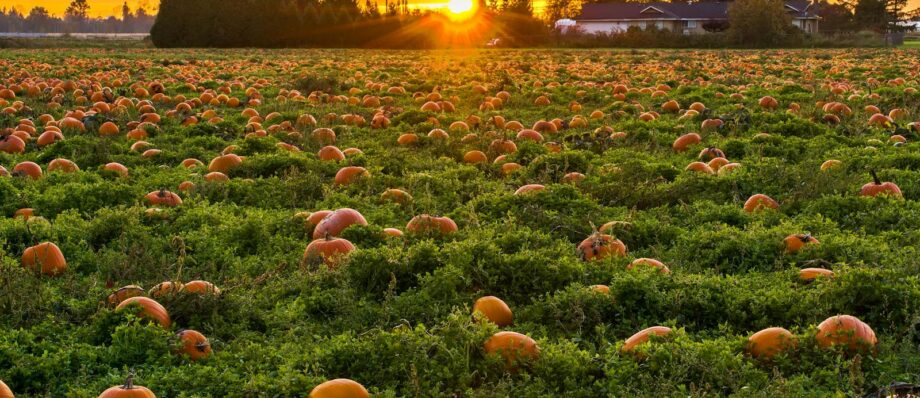
Winter squash varieties such as butternut, acorn, and delicata are staples of the Thanksgiving table. Pumpkins, beyond pies, are excellent for roasting, soups, and animal feed. These crops thrive in warm summers and are harvested in early fall, curing naturally for long-term storage.
Sweet Potatoes and Potatoes
Root crops are symbols of resilience and abundance. Sweet potatoes require a longer growing season but reward growers with nutrient-dense yields. White and red potatoes are easier to grow in cooler climates and store exceptionally well for winter use.
Corn
Corn has historical and cultural significance in Thanksgiving traditions. Whether grown for fresh eating, grinding into cornmeal, or feeding livestock, corn remains one of the most versatile crops on a farm or homestead.
Green Beans and Peas
Though many people rely on canned versions for Thanksgiving casseroles, green beans and peas are easy to grow and preserve at home. Freezing, pressure canning, and dehydration allow these crops to last well beyond harvest season.
Cranberries
While cranberries require specific growing conditions and are more common on commercial farms, small-scale growers can still explore alternative berry crops like elderberries, chokeberries, or lingonberries, which offer similar tart profiles and high antioxidant value.
Herbs That Elevate the Thanksgiving Table
Fresh herbs bring Thanksgiving meals to life and are among the easiest plants to grow. Rosemary, sage, thyme, parsley, and oregano thrive in garden beds or containers. Many can be dried and stored for winter cooking or infused into oils, vinegars, and seasonings.
For homesteaders, herbs also provide medicinal benefits, pest control advantages, and pollinator support throughout the growing season.
Livestock Commonly Raised for Thanksgiving
Livestock plays a central role in Thanksgiving traditions, especially for those raising animals on small farms or homesteads. Ethical, humane, and sustainable animal husbandry aligns closely with the values of gratitude and stewardship.
Turkeys
Heritage turkeys are increasingly popular among homesteaders and small farms. They grow more slowly than commercial breeds but offer superior flavor and healthier meat profiles. Raising turkeys requires adequate space, predator protection, and thoughtful feeding practices.
Chickens
Chickens contribute far beyond meat. Eggs are essential for baking, stuffing, and desserts. Dual-purpose breeds allow homesteaders to benefit from both egg production and occasional meat processing.
Ducks and Geese
Ducks and geese provide rich, flavorful meat and valuable byproducts like fat for cooking. They are hardy birds, excellent foragers, and well-suited for integrated farm systems.
Pigs
Pigs are often associated with Thanksgiving sides such as ham, sausage, and bacon. For farms with sufficient space and resources, pigs efficiently convert scraps and forage into high-quality protein and fat.
Processing and Preserving the Harvest
One of the most rewarding aspects of Thanksgiving on the farm is knowing how to process and preserve food for the winter months ahead. Traditional preservation methods reduce waste, increase food security, and deepen self-reliance.
Canning
Pressure canning and water bath canning allow farmers and homesteaders to store vegetables, soups, sauces, and meats safely. Many Thanksgiving staples—like green beans, cranberry sauce, and gravies—can be prepared months in advance.
Freezing
Freezing is one of the simplest preservation methods. Blanched vegetables, berries, herbs, and even prepared meals can be stored and quickly accessed during the holidays.
Dehydrating
Dehydration works well for herbs, fruits, and even vegetables. Dried apples, herbs, and squash slices are space-efficient and long-lasting.
Smoking and Curing
Meat processing techniques such as smoking and curing are time-honored traditions. Turkeys, hams, and sausages prepared this way offer deep flavors and extended shelf life.
Homesteading Values Reflected at Thanksgiving
Thanksgiving reflects the core values that drive modern homesteading: intentional living, gratitude, resilience, and connection. Even small steps—like growing herbs on a balcony or purchasing produce directly from local farms—help reconnect people to these principles.
For homesteaders, Thanksgiving is also a teaching moment. Children learn where food comes from, guests experience meals made with care, and communities are reminded that abundance is not accidental—it is cultivated.
Supporting Local Farms During Thanksgiving
Thanksgiving is one of the most important times of year for local farms. Purchasing turkeys, produce, honey, baked goods, and value-added products directly from farmers supports sustainable agriculture and strengthens local economies.
Farm Finder Network exists to make these connections easier. By helping consumers discover nearby farms, homesteads, co-ops, and eco-friendly producers, the platform encourages conscious purchasing and long-term relationships between growers and communities.
A Season of Reflection and Renewal
As fields rest and animals prepare for winter, Thanksgiving marks both an ending and a beginning. It closes one growing season while setting intentions for the next. Farmers review what worked, what didn’t, and what they are grateful for—rain when it came, lessons when it didn’t, and the privilege of working the land.
In a fast-paced world, farming and homesteading remind us that progress does not always mean speed. Sometimes, it means patience. Sometimes, it means waiting. And sometimes, it means sitting at a table, sharing food grown with care, and simply giving thanks.
From all of us at Farm Finder Network, we celebrate the farmers, homesteaders, and land stewards who make Thanksgiving possible—one seed, one harvest, and one grateful heart at a time.