Rediscovering Traditional Food Preservation
Food Preservation Revival: Ancient Skills for Modern Food Security
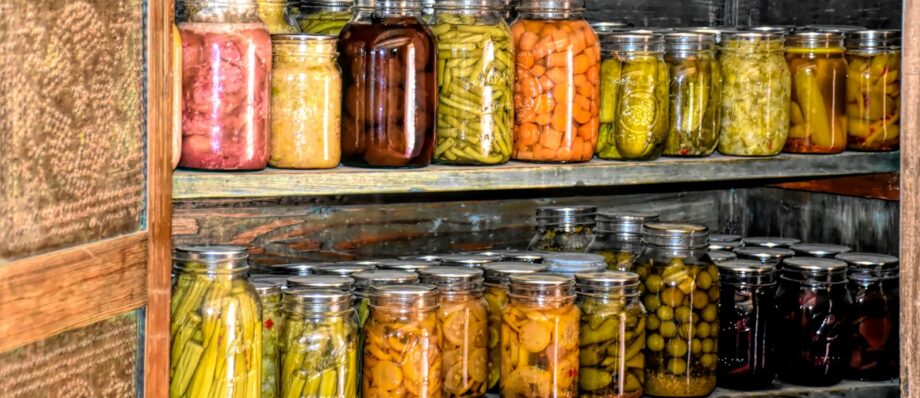
The art of food preservation has sustained human civilization for millennia, and today these time-tested techniques are experiencing a remarkable renaissance. As concerns about food security, sustainability, and waste reduction grow, more people are turning to traditional preservation methods like canning, fermentation, and root cellaring to build resilient food systems in their own homes.
The Modern Revival of Ancient Preservation Techniques
Why Traditional Food Preservation Matters Today
In an era of supply chain disruptions and increasing awareness of food waste, traditional preservation methods offer practical solutions to contemporary challenges. These techniques not only extend the shelf life of fresh produce but also create nutrient-dense foods that can sustain families through seasons of scarcity. The Farm Finder Network has observed a significant increase in interest from both urban and rural communities seeking to master these essential skills.
Food preservation also represents a meaningful connection to our agricultural heritage. When you preserve food from local farms and gardens, you’re participating in a cycle that has nourished communities for generations while supporting local food systems.
Essential Food Preservation Methods for the Modern Homestead
Water Bath Canning – The Gateway to Food Preservation
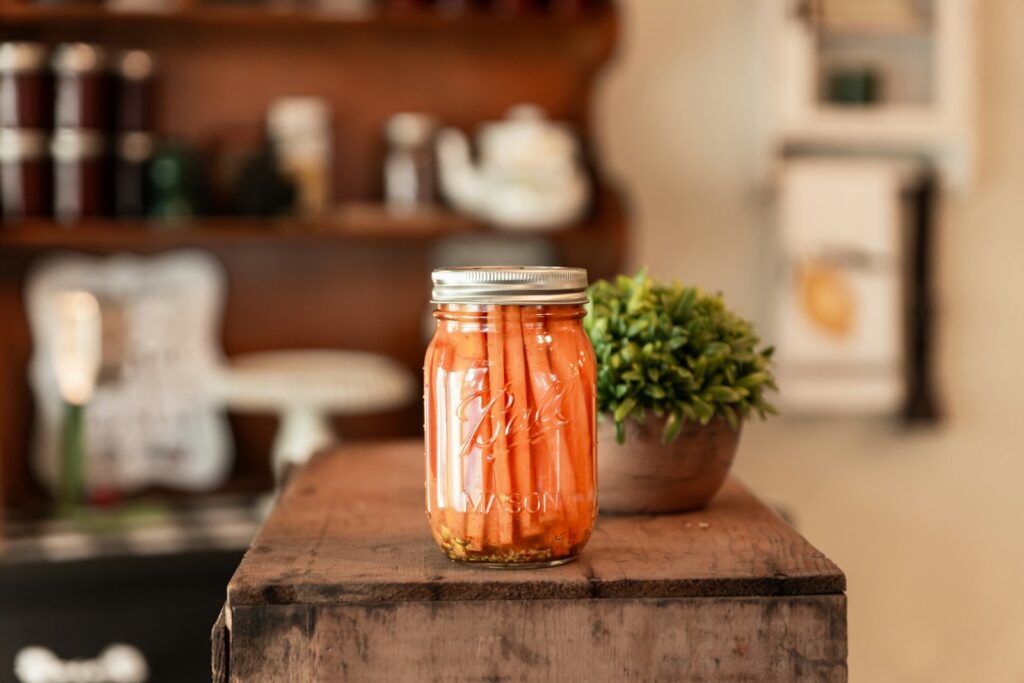
Water bath canning remains one of the most accessible preservation methods for beginners. This technique uses boiling water to create a vacuum seal in glass jars, making it perfect for high-acid foods like fruits, tomatoes, and pickles.
Getting Started with Water Bath Canning
The beauty of water bath canning lies in its simplicity. You need only basic equipment: canning jars, lids, a large pot, and a jar lifter. High-acid foods naturally resist dangerous bacteria, making this method both safe and straightforward for newcomers to food preservation.
Popular water bath canning projects include strawberry jam, dill pickles, and tomato sauce. These staples can transform an abundant harvest into year-round pantry treasures while reducing reliance on store-bought alternatives.
Pressure Canning for Low-Acid Foods
For vegetables, meats, and other low-acid foods, pressure canning provides the high temperatures necessary to eliminate harmful bacteria. This method requires a pressure canner and careful attention to processing times and pressures, but it opens up vast possibilities for preserving complete meals and protein sources.
Safety First in Pressure Canning
Modern pressure canners include multiple safety features and accurate gauges that make the process much safer than historical methods. Following tested recipes from reliable sources like the USDA ensures both safety and quality in your preserved foods.
The Ancient Art of Fermentation
Harnessing Beneficial Bacteria for Food Preservation
Fermentation represents perhaps the oldest form of food preservation, relying on beneficial bacteria and yeasts to transform fresh foods into shelf-stable, probiotic-rich alternatives. This process not only preserves food but often enhances its nutritional value and digestibility.
Popular Fermentation Projects
Sauerkraut, kimchi, and fermented pickles require only vegetables, salt, and time. These living foods provide beneficial probiotics while preserving the harvest without any energy input beyond the initial preparation.
Dairy fermentation opens another avenue for preservation through yogurt, kefir, and cheese-making. These techniques transform perishable milk into products with extended shelf lives and enhanced flavors.
Creating the Perfect Fermentation Environment
Successful fermentation requires attention to salt ratios, temperature, and anaerobic conditions. Many traditional cultures developed specific vessels and techniques optimized for their local climate and available ingredients.
Root Cellaring – Nature’s Refrigerator
Understanding Cold Storage Principles
Root cellaring utilizes naturally cool, humid conditions to slow the deterioration of fresh produce. This method requires no electricity while providing months of storage for root vegetables, apples, and other hardy produce.
Designing Effective Root Storage
The ideal root cellar maintains temperatures between 32-40°F with 85-95% humidity. Whether you’re working with a traditional underground cellar, a basement room, or even a buried garbage can, the principles remain consistent.
What to Store and How
Different vegetables require specific storage conditions within your root cellar. Potatoes prefer complete darkness, while apples need good air circulation. Understanding these requirements ensures maximum storage life and quality retention.
Modern Applications of Traditional Techniques
Adapting Ancient Methods for Contemporary Lifestyles
Today’s food preservers blend traditional techniques with modern understanding of food safety and nutrition. Digital thermometers, pH meters, and precise timing devices help ensure consistent results while maintaining the core principles of these time-tested methods.
Building Food Security Through Preservation
A well-stocked pantry of preserved foods provides both economic benefits and peace of mind. Families practicing multiple preservation methods can reduce grocery costs while maintaining food security regardless of external circumstances.
Community Preservation Networks
Many communities are rediscovering the social aspects of food preservation through canning clubs, fermentation workshops, and shared root cellars. These networks provide education, equipment sharing, and the camaraderie that historically surrounded seasonal preservation activities.
Getting Started on Your Preservation Journey
Essential Equipment and Resources
Beginning food preservers need quality equipment, reliable recipes, and ongoing education. Starting with one method allows you to build confidence and skills before expanding to other techniques.
The Farm Finder Network connects preservation enthusiasts with local resources, including farms offering bulk produce for preservation projects and experienced practitioners willing to share their knowledge.
Planning Your Preservation Calendar
Successful food preservation follows the natural rhythm of local harvests. Planning your preservation activities around peak seasons ensures the best quality ingredients while taking advantage of lower prices and maximum availability.
The Future of Food Preservation
Sustainability and Self-Reliance
As awareness of environmental impact grows, traditional food preservation methods offer sustainable alternatives to energy-intensive commercial processing and packaging. These techniques reduce food waste while creating resilient local food systems.
The resurgence of interest in food preservation reflects a broader movement toward self-reliance and sustainable living. By mastering these skills, families and communities build resilience while honoring agricultural traditions that have sustained human civilization.
Teaching the Next Generation
Passing these skills to younger generations ensures the continuation of this valuable knowledge. Many schools and community organizations now incorporate food preservation into their curricula, recognizing its importance for both practical life skills and cultural heritage.
Embracing Food Preservation for a Secure Future
Traditional food preservation techniques offer proven solutions to modern challenges of food security, waste reduction, and sustainable living. Whether you start with simple water bath canning, explore the fascinating world of fermentation, or create your own root storage system, these skills connect you to both your local food system and agricultural heritage.
The Farm Finder Network encourages exploration of these time-tested methods as part of building stronger, more resilient communities. By preserving the abundance of local harvests, we create food security while supporting the farmers and producers who form the backbone of our food system.
Start small, learn continuously, and enjoy the satisfaction of feeding your family with foods you’ve preserved using techniques that have nourished humanity for thousands of years.