Cyclosporiasis Outbreak 2026: What You Need to Know
The United States is experiencing one of the largest documented outbreaks of cyclo sporiasis (Cyclospora infection) in recent history. Health officials across multiple states continue to investigate thousands of confirmed and suspected cases as public health agencies work to identify contaminated food sources and prevent additional illnesses.
If you’ve never heard of Cyclospora, you’re not alone. Yet this microscopic parasite has become a growing public health concern because it can contaminate fresh produce and cause weeks of severe gastrointestinal illness.
This guide explains everything you need to know, including symptoms, prevention, treatment, who is most at risk, and where to find trusted updates.
What Is Cyclosporiasis?
Cyclosporiasis is an intestinal illness caused by the microscopic parasite Cyclospora cayetanensis.
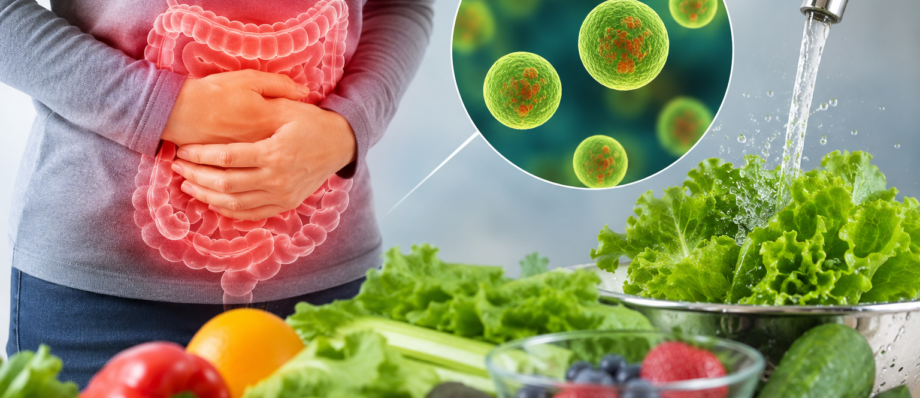
Unlike bacteria or viruses, Cyclospora is a parasite that infects the small intestine after someone consumes contaminated food or water. Most infections occur after eating fresh produce that has been exposed to contaminated irrigation water or improper sanitation during harvesting or processing.
The illness is not usually spread directly from person to person, because the parasite must mature in the environment before becoming infectious.
Why Is It Making Headlines?
The 2026 outbreak has become one of the largest Cyclospora outbreaks ever investigated in the United States.
According to federal and state investigators:
- Thousands of confirmed infections have been reported.
- More than 11,000 additional suspected cases remain under investigation.
- Cases have been identified across dozens of states.
- Investigators have linked some illnesses to contaminated iceberg lettuce while continuing to investigate additional food sources.
Health officials stress that investigations remain ongoing, and recommendations may change as new evidence becomes available.
How Do People Become Infected?
People become infected by consuming food or water contaminated with Cyclospora.
Foods that have been associated with previous outbreaks include:
- Leafy greens
- Lettuce
- Cilantro
- Parsley
- Basil
- Fresh berries
- Other fresh produce
The parasite cannot be seen without a microscope and does not change the smell, taste, or appearance of food.
Symptoms of Cyclosporiasis
Symptoms usually begin about one week after exposure, although they may appear anywhere from 2 days to more than 2 weeks later.
Common symptoms include:
✅ Frequent watery diarrhea
✅ Explosive bowel movements
✅ Stomach cramps
✅ Bloating
✅ Loss of appetite
✅ Nausea
✅ Fatigue
✅ Weight loss
✅ Low-grade fever
✅ Muscle aches
Some people experience symptoms that improve temporarily before returning again if the infection is not treated.
Who Is Most at Risk?
Anyone can become infected.
However, complications are more likely among:
- Older adults
- Young children
- Pregnant women
- People with weakened immune systems
- Organ transplant recipients
- Individuals receiving chemotherapy
- People with HIV/AIDS
Severe diarrhea can quickly lead to dehydration, which may require hospitalization if left untreated.
When Should You See a Doctor?
Contact your healthcare provider if you experience:
- Diarrhea lasting more than two or three days
- Severe dehydration
- Blood in your stool
- Persistent vomiting
- Fever that continues to worsen
- Significant weight loss
- Symptoms after eating recalled produce or during a known outbreak
Doctors can order specialized stool testing to diagnose Cyclospora.
How Is It Treated?
The standard treatment is an antibiotic called trimethoprim-sulfamethoxazole (TMP-SMX), which is effective for most patients.
People who are allergic to sulfa medications should speak with their healthcare provider about alternative management options, although effective alternatives are more limited.
Do not self-medicate without medical guidance.
Can You Prevent Cyclosporiasis?
While no prevention method is perfect, these steps can significantly reduce your risk.
Wash Your Hands
Wash with soap and warm water:
- Before preparing food
- Before eating
- After using the restroom
- After handling raw produce
Wash Produce Thoroughly
Rinse fruits and vegetables under clean running water.
Scrub firm produce such as:
- Cucumbers
- Melons
- Potatoes
Use a clean produce brush when appropriate.
Refrigerate Produce Properly
Store cut fruits and vegetables promptly.
Refrigeration slows bacterial growth but does not kill Cyclospora.
Stay Updated on Food Recalls
If a product has been recalled:
- Do not eat it.
- Throw it away immediately.
- Clean any surfaces it touched.
Practice Safe Food Handling
- Separate raw and ready-to-eat foods.
- Wash cutting boards.
- Wash knives.
- Clean countertops frequently.
The CDC notes that no one fully understands every way Cyclospora contaminates food, making proper food handling especially important.
Does Washing Produce Eliminate Cyclospora?
Unfortunately, not completely.
While washing fresh produce helps remove dirt and some contaminants, Cyclospora can be difficult to remove entirely.
Even produce labeled as “prewashed” should be handled carefully according to current food safety recommendations.
Is It Safe to Eat Salad?
Yes.
Public health experts are not recommending that people stop eating fruits and vegetables altogether.
Instead:
- Purchase produce from reputable retailers.
- Follow food safety guidelines.
- Pay attention to current recall notices.
- Wash produce before preparation whenever appropriate.
Officials emphasize that the overall nutritional benefits of fruits and vegetables continue to outweigh the risks when safe food practices are followed.
Current Outbreak Status
Health investigators continue monitoring cases nationwide.
Current priorities include:
- Identifying additional contaminated food sources
- Tracking new infections
- Monitoring hospitalization rates
- Coordinating recalls when necessary
- Improving food traceability
Because reporting often lags by several weeks, official case counts may continue to increase as laboratories confirm additional infections.
Trusted Resources
For the latest updates, visit these official resources:
- CDC Cyclosporiasis Information: Centers for Disease Control and Prevention (CDC) – Cyclosporiasis
- CDC Prevention Guidance: CDC Prevention Tips
- CDC Surveillance Updates: CDC Surveillance Dashboard
- FDA Food Safety Alerts: U.S. Food and Drug Administration (FDA) Food Safety Alerts
Frequently Asked Questions
Is cyclosporiasis contagious?
Not in the usual sense. It is generally not spread directly from person to person because the parasite requires time in the environment before becoming infectious.
Can it go away on its own?
Some mild infections may improve, but untreated illness can last for weeks or recur. Medical evaluation is recommended if symptoms persist.
Can children get Cyclospora?
Yes. People of all ages can become infected, although severe dehydration can be more dangerous for young children and older adults.
Is there a vaccine?
No. There is currently no vaccine available to prevent Cyclospora infection.
Final Thoughts
The current cyclosporiasis outbreak is a reminder that food safety remains an important part of protecting public health. Although the illness can be unpleasant and, in some cases, serious, most people recover fully with appropriate medical treatment and supportive care.
Staying informed, practicing safe food handling, washing produce properly, and following updates from the CDC and FDA are among the best ways to reduce your risk.
If you develop prolonged diarrhea or other symptoms consistent with Cyclospora infection, contact your healthcare provider promptly for evaluation and testing. Early diagnosis can help shorten illness and prevent complications.